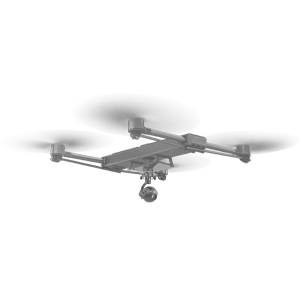
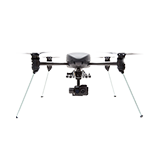







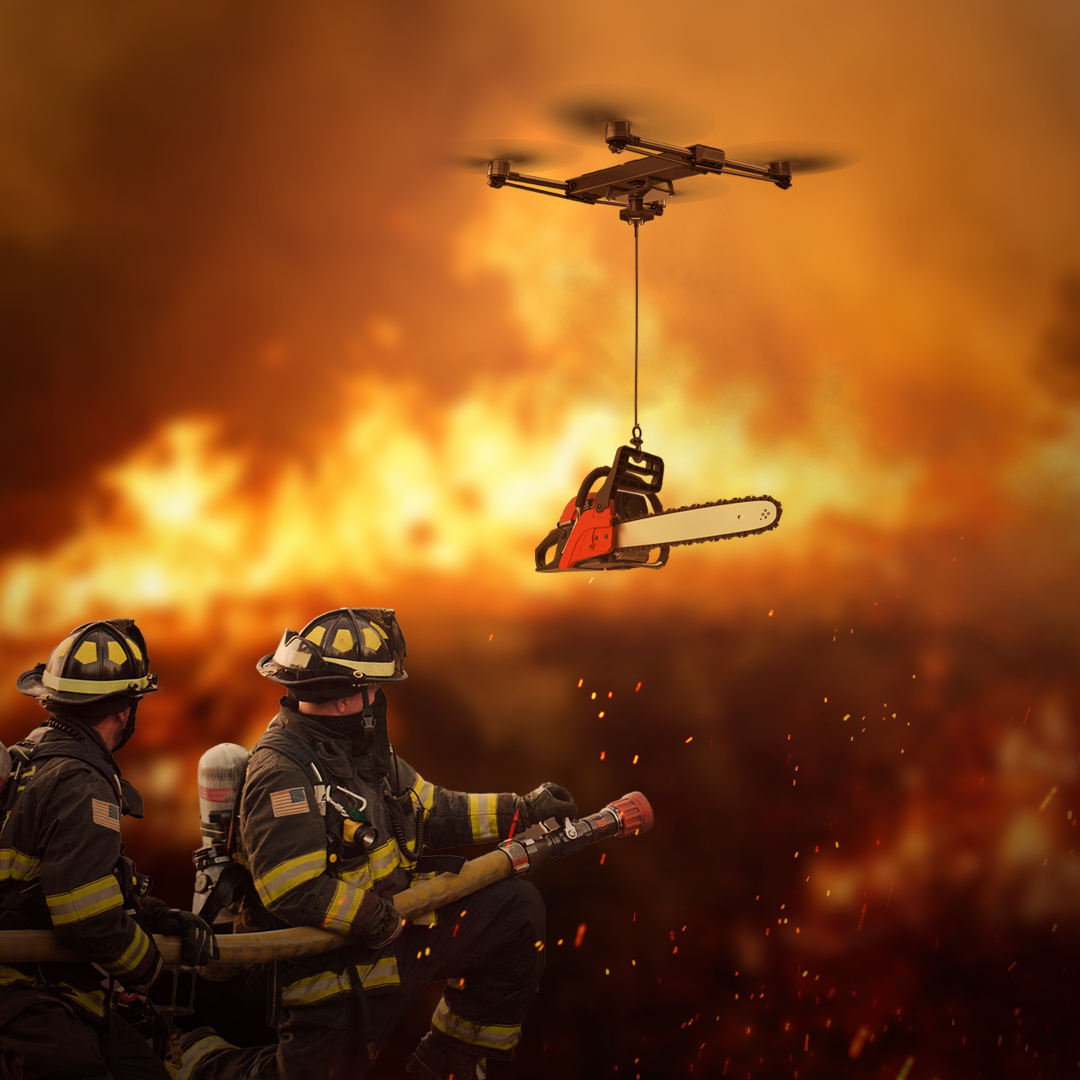
The more information that firefighters have before they run into a burning building, the safer they will be. Draganfly drone technology brings rapid imaging tools that provide critical information to best attack the fire while maintaining firefighter safety.
Draganfly drone solutions give teams a real-time, 360-degree view of a burning building. By using thermal imaging to monitor fire progress and spot victims through the thick smoke, responders can efficiently target attacks, locate hotspots, as well as zoom in to check on their teams and the status of resources without risking the lives of firefighters.
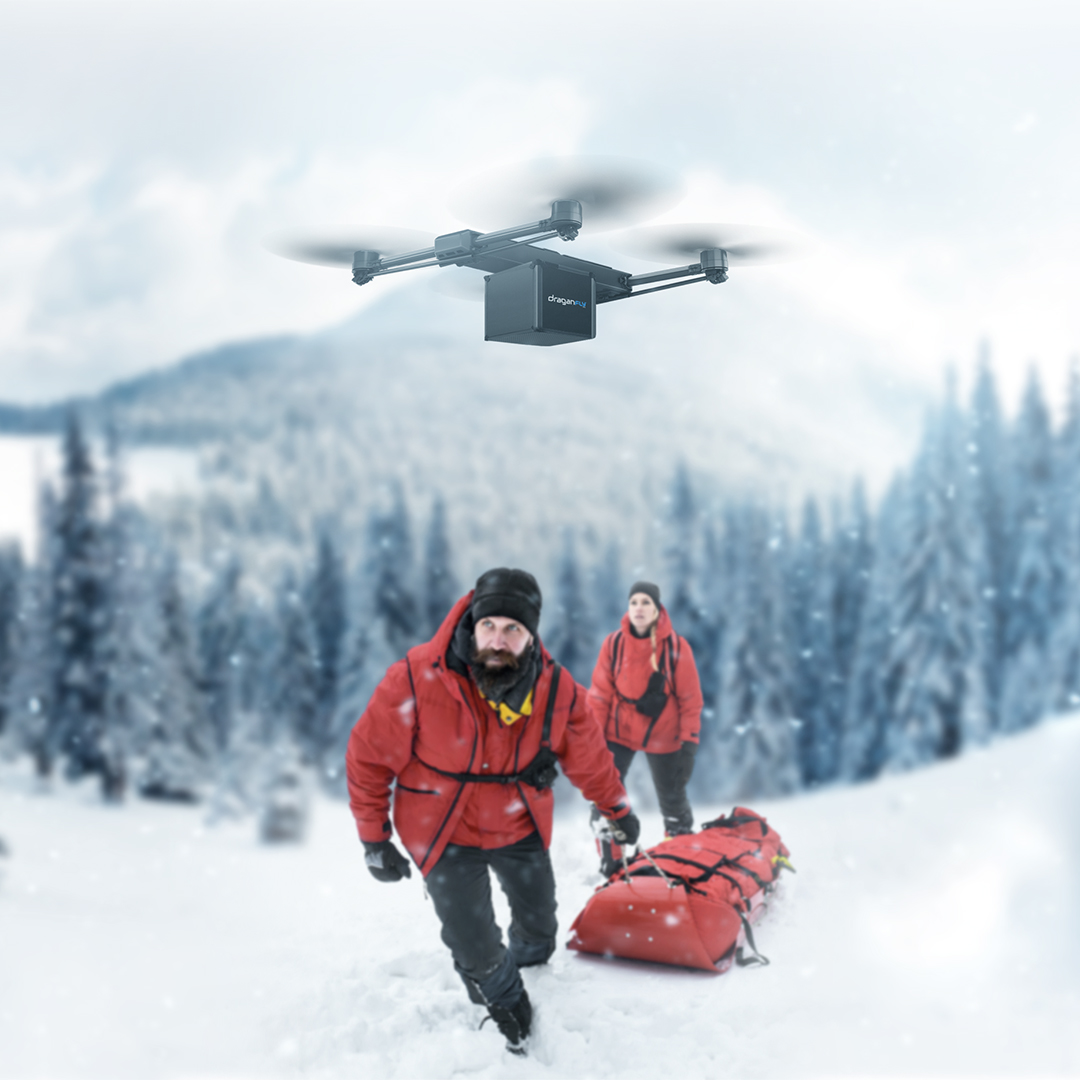
Search and Rescue operations can be just as dangerous as other law enforcement or fire fighting activities. Response teams often have to navigate through vast, challenging and dangerous terrain to save lives. Visibility is often compromised in these dangerous areas, forcing team members to go in blind. Draganfly Surveillance solutions provides semi-automated tools that quickly scout these regions and locate those in danger without risking members of the team.
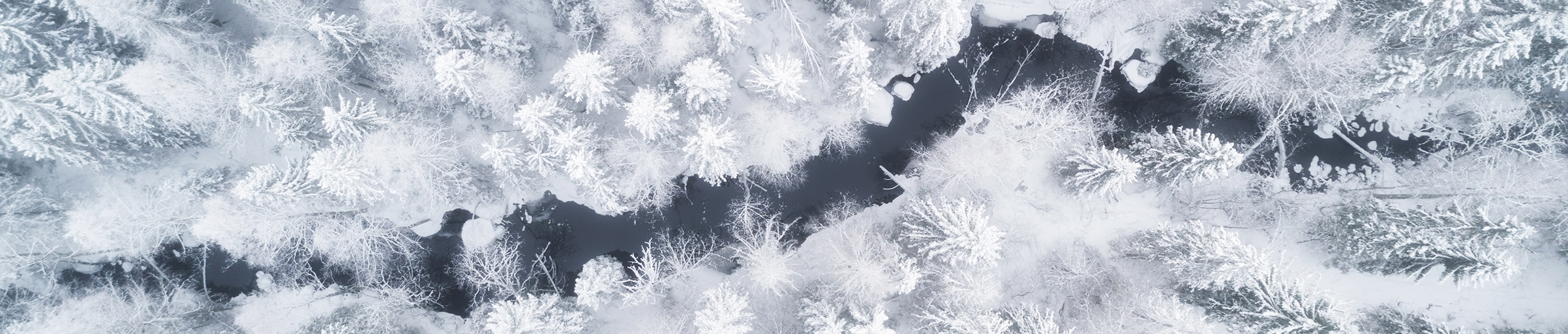
High-powered thermal and zoom cameras allow teams to identify heat signatures through thick brush and snow, then take a closer look for confirmation. This increased visibility helps them locate individuals before too much time has passed.
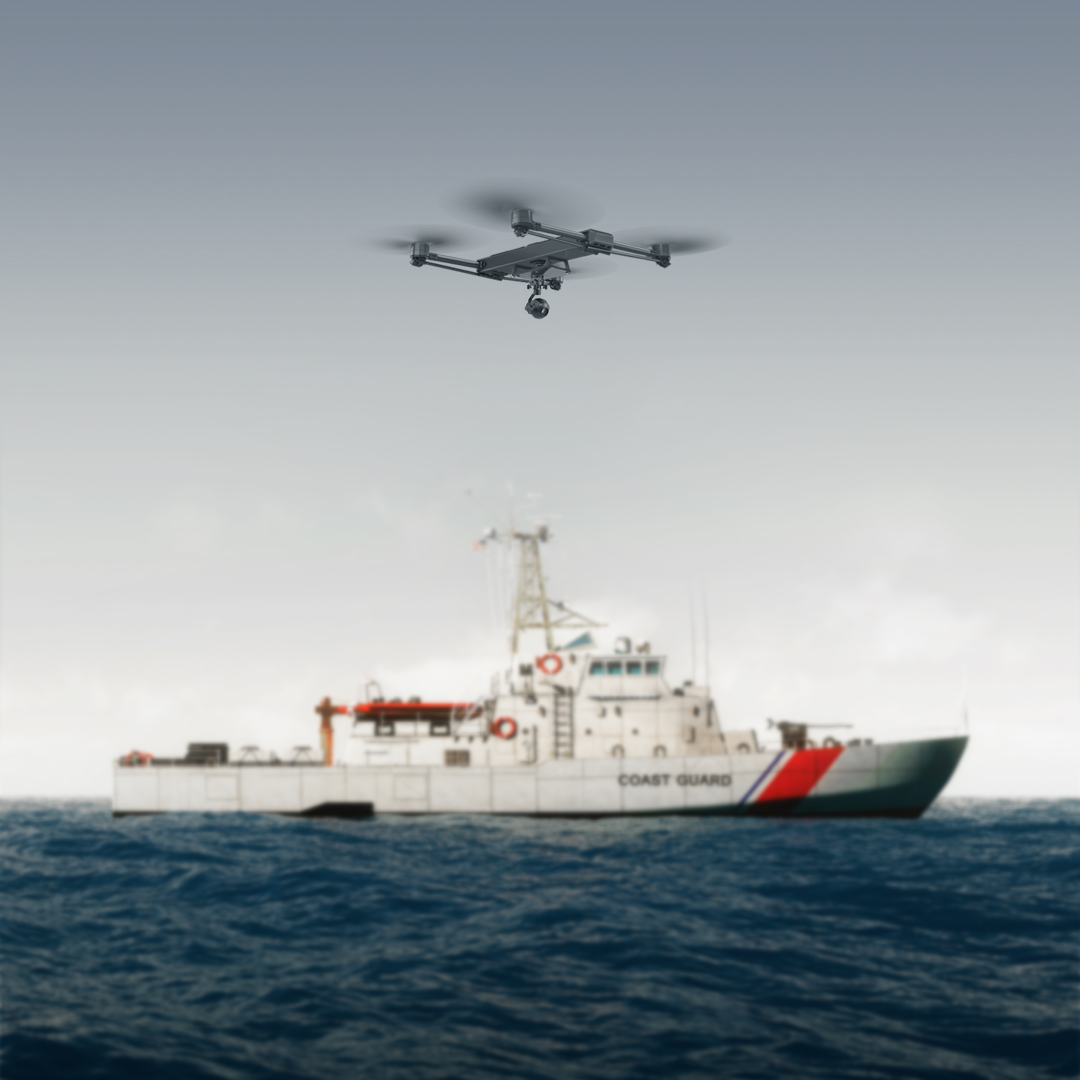
Draganfly surveillance drones designed for border patrol offer increased security and protection to agents in typically unmanned areas. Draganfly drones offer supplemental airborne reconnaissance, surveillance and tracking capability to enhance situational awareness. Agents can stay far out of earshot and stealthily observe whatever is on the ground, whether that’s drug smugglers or illegal aliens, using drones to make informed decisions before they intervene in dangerous situations.
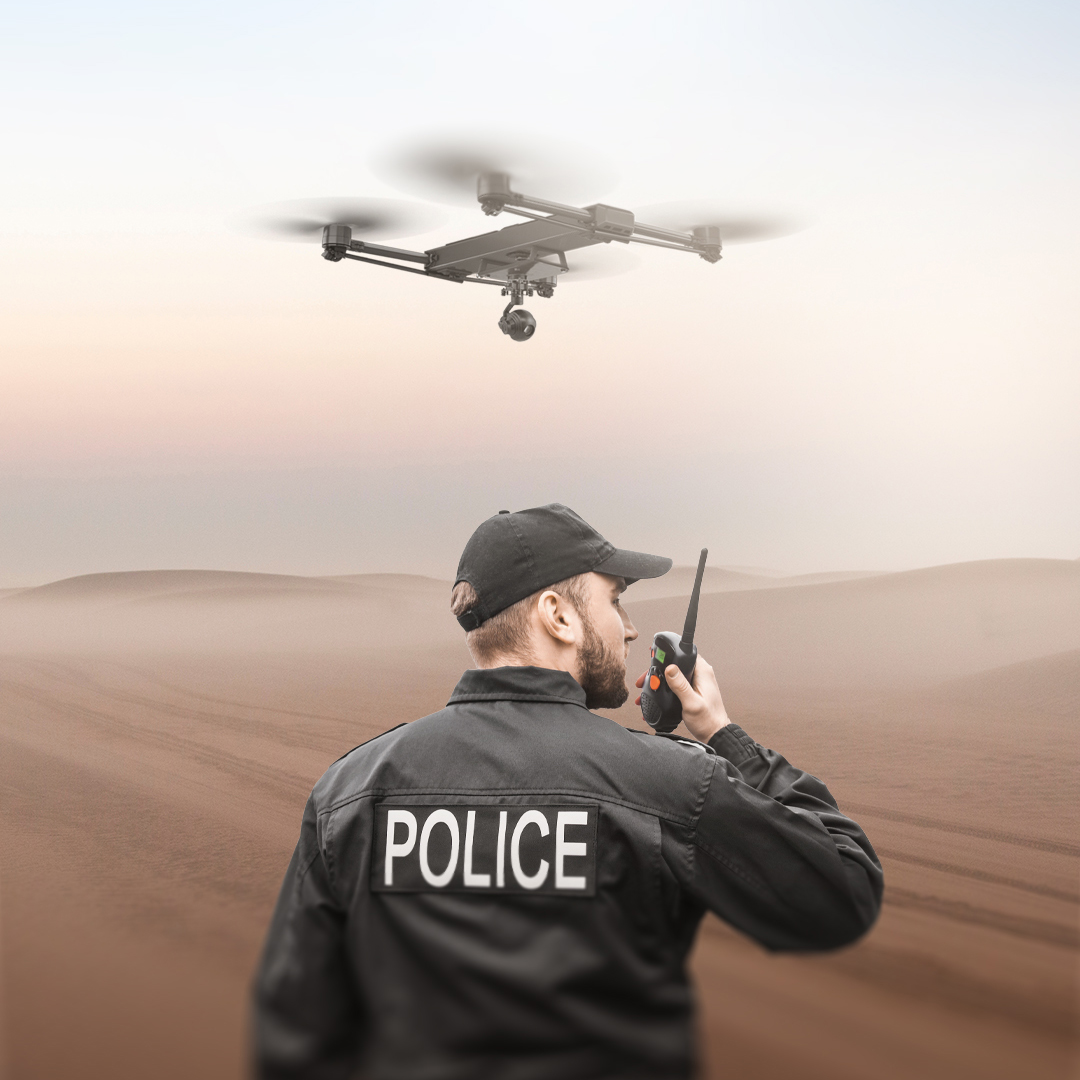
Draganfly Drone solutions provide remote visuals of a dangerous area to give officers critical information of a situation.
When performing reconnaissance, officers often need to put themselves in harm’s way in order to scout an area and provide vital intel about a situation. By using a thermal sensor, officers can gain visuals through glass and other obstructions, preventing officers from risking their lives when scouting an area.

Quickly assessing and mapping out the situation on the ground is crucial for effective disaster response. First responders use Draganfly drones to survey areas that may have been rendered inaccessible or otherwise isolated due to destroyed infrastructure, such as roads and bridges. They can then communicate with rescue teams and conduct search and rescue operations.
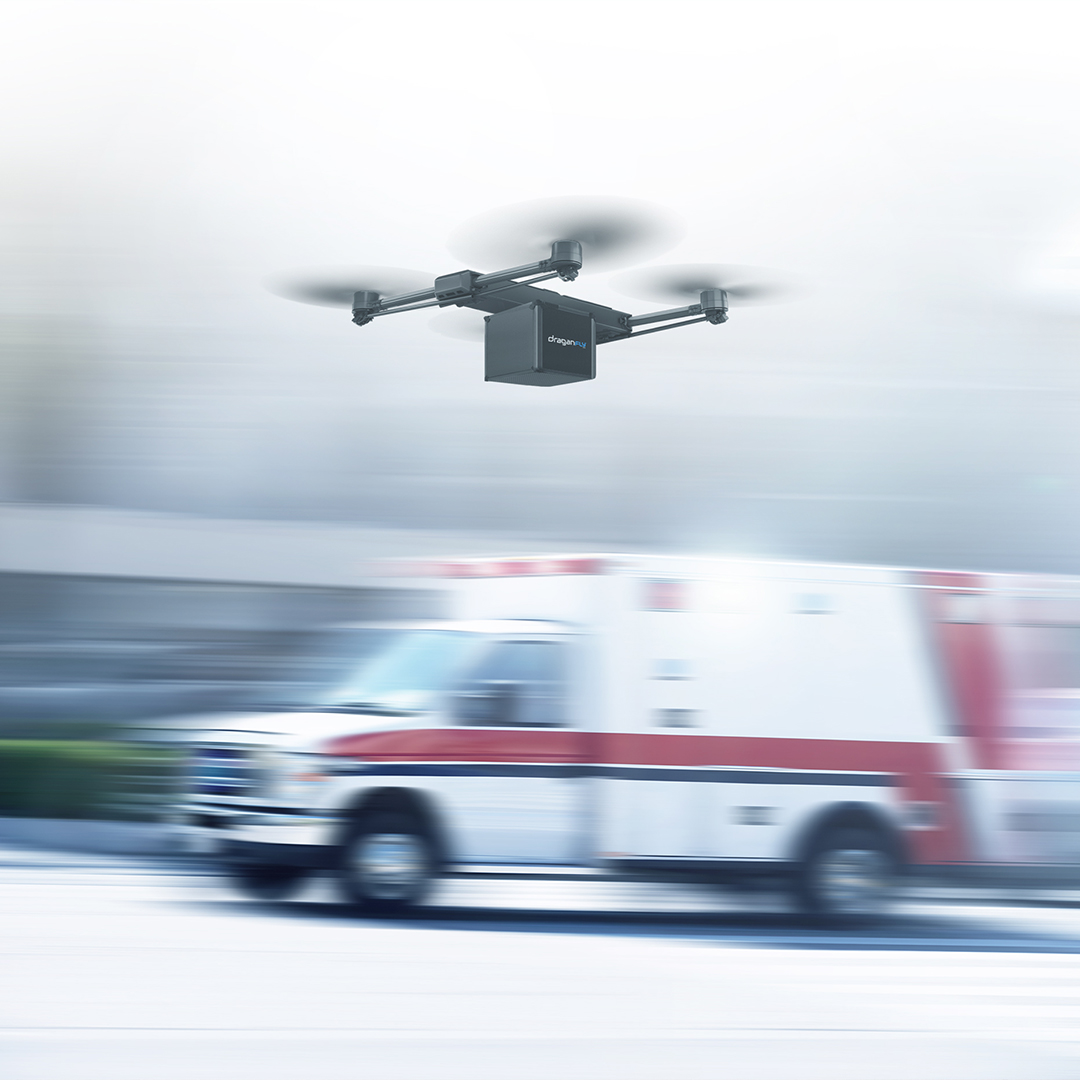
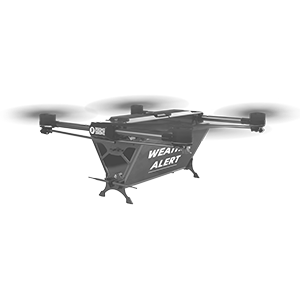
During active emergency, medical and disaster response situations, Draganfly’s drones can make a difference. Unmanned aerial vehicles (UAVs) help crews reduce response times, improve situational awareness and increase overall efficiency.
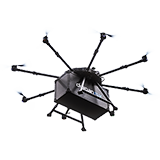
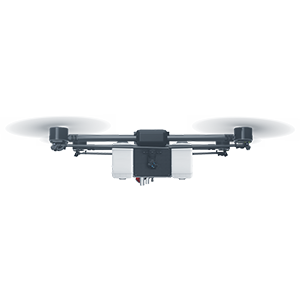
The delivery drones are equipped with our innovative temperature-managed payload box, which is able to maintain cold chain requirements for temperature-sensitive medical supplies.
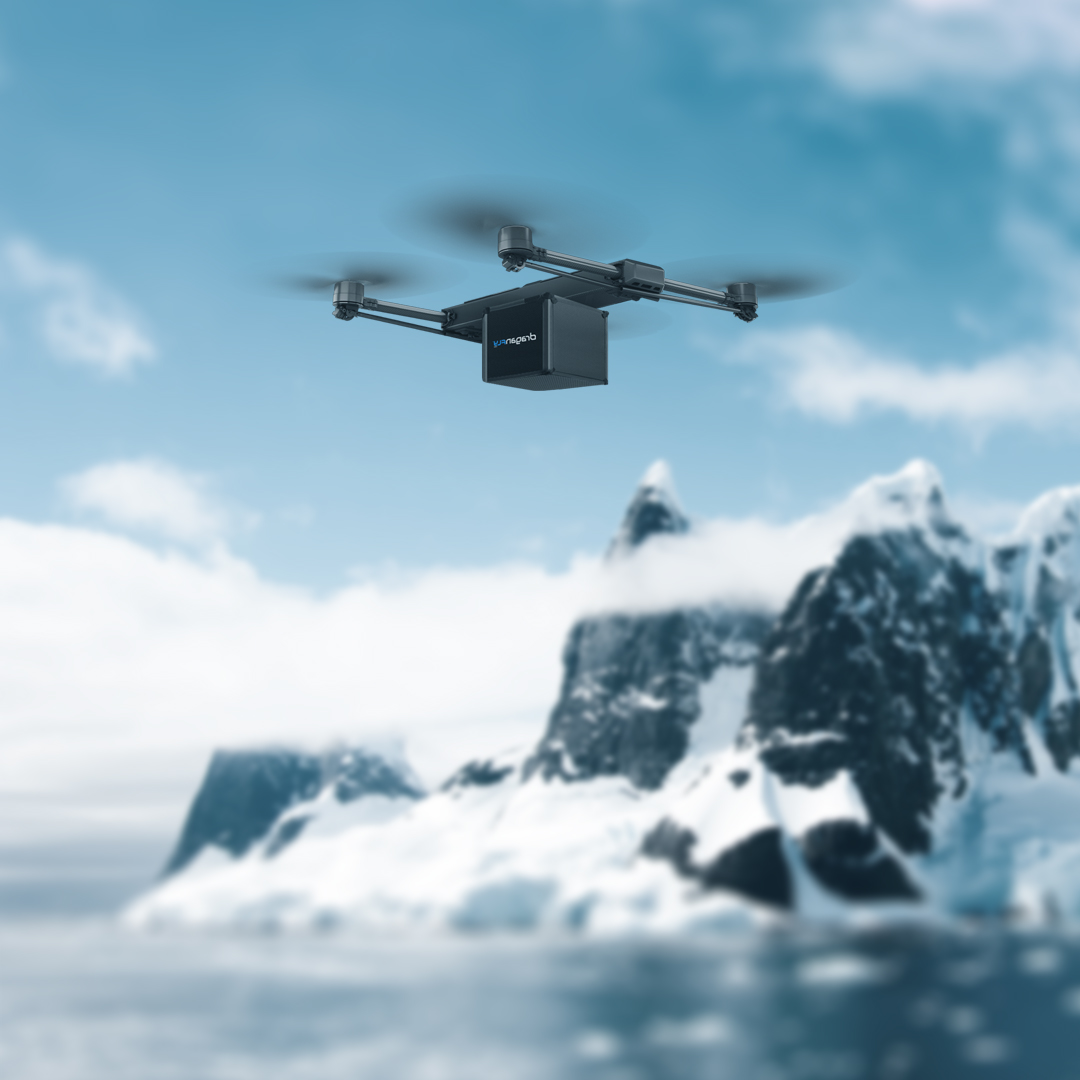
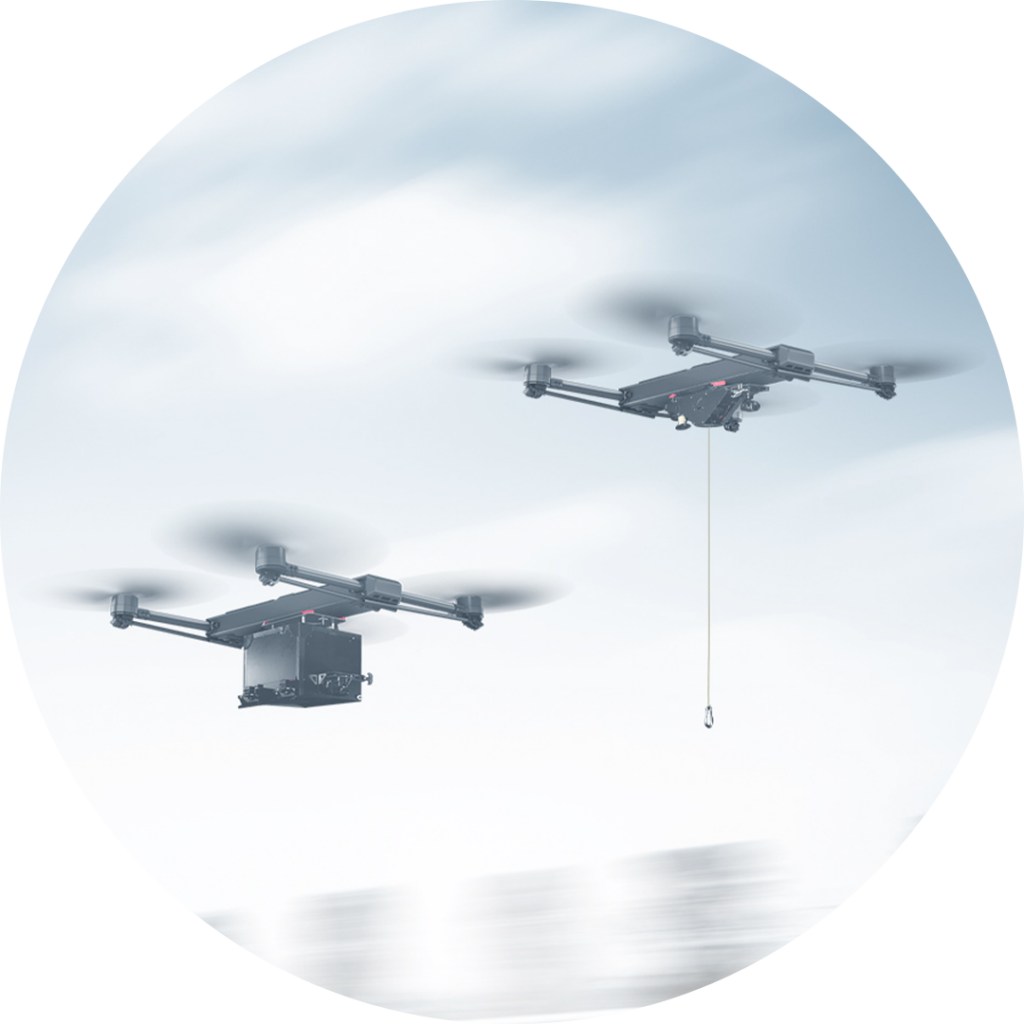
Our delivery drones are able to provide first responders with visual oversight of a scene and ensure the timely delivery of temperature-sensitive medical supplies including blood, vaccines and test samples to dangerous or hard-to-reach areas.
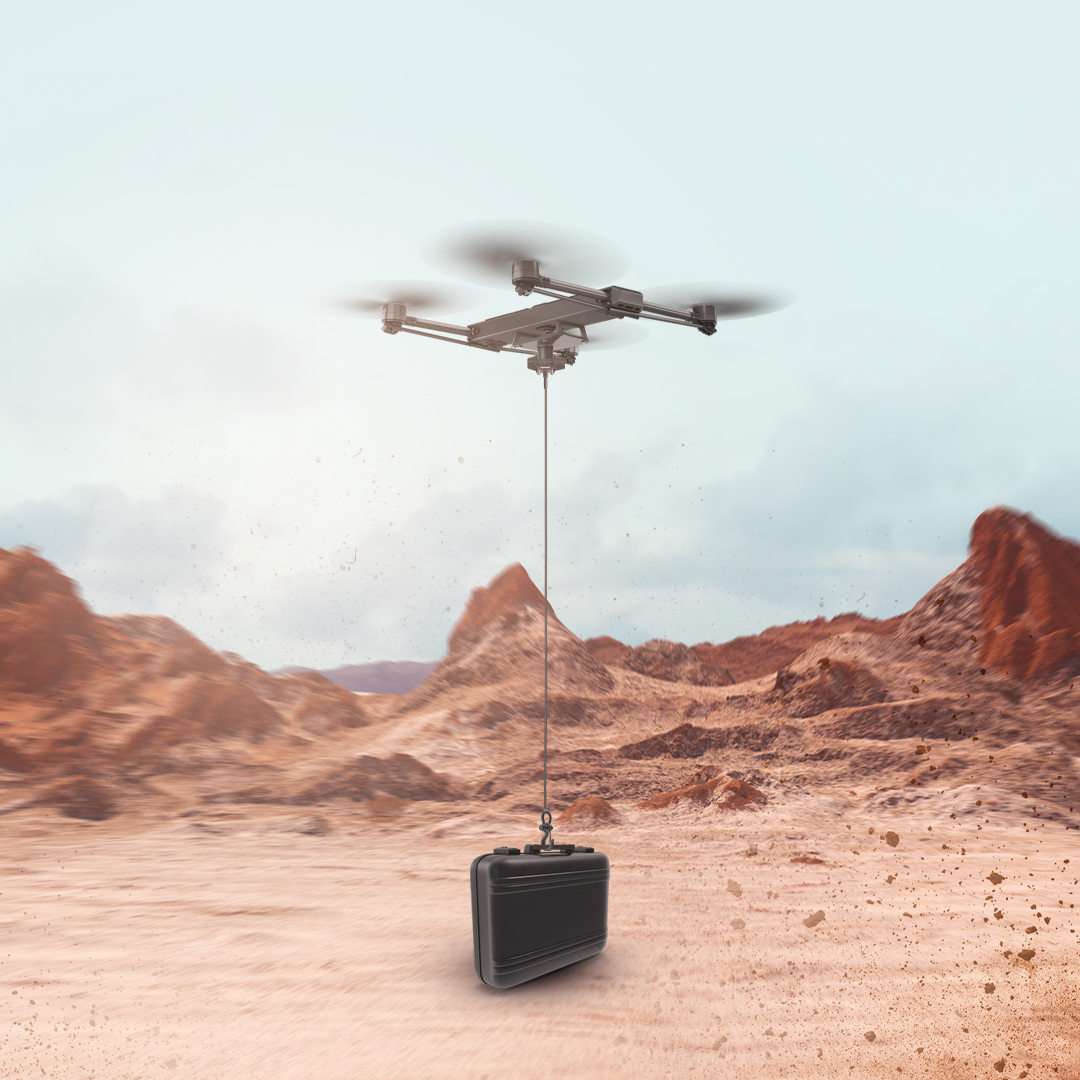
Draganfly’s Extreme Terrain delivery allows for easy, seamless transport of essential equipment into hard-to-reach areas.
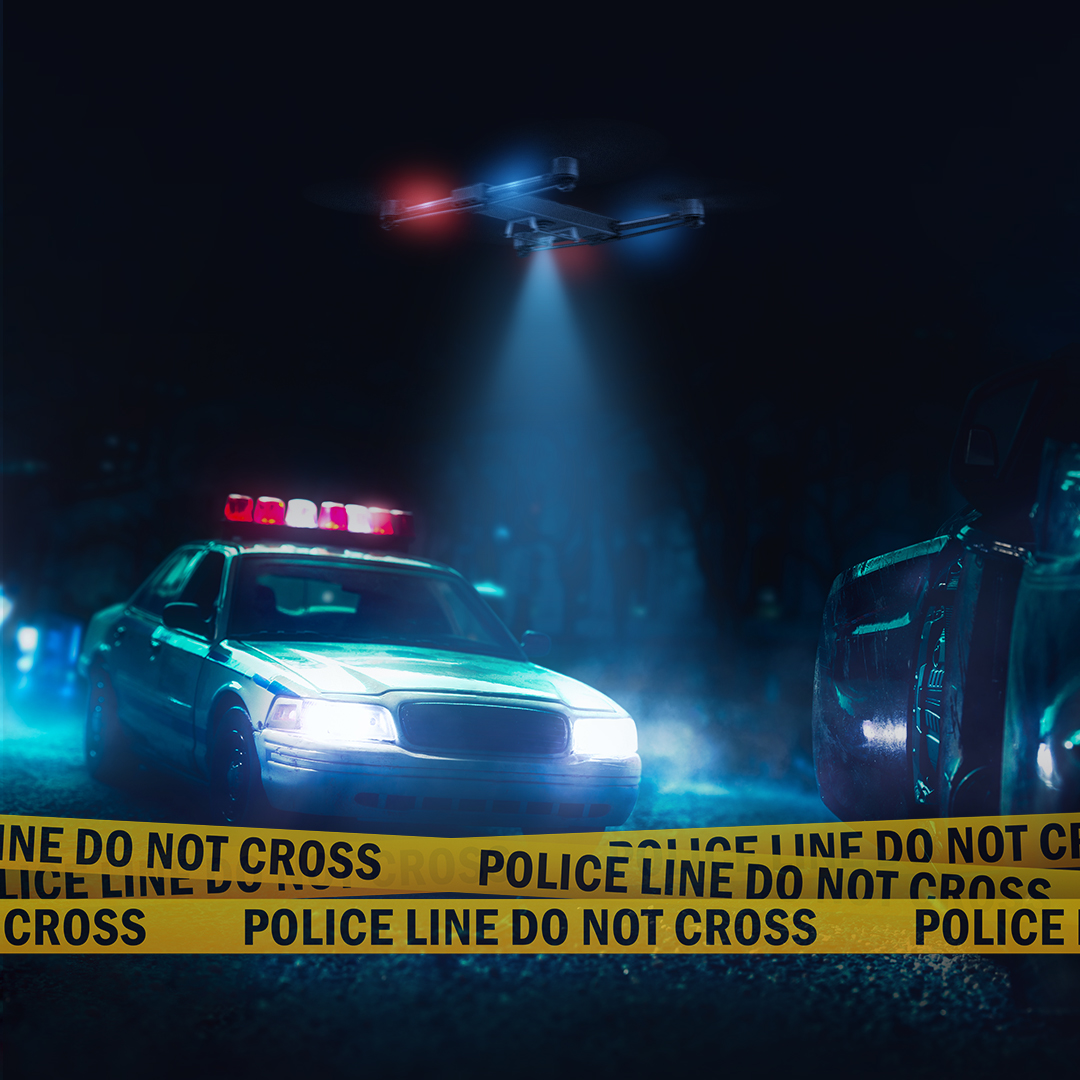
Crime scene documentation for public safety agencies can be a time-consuming and inefficient job. Draganfly drones help generate fully comprehensive datasets in a fraction of the time and cost compared to traditional methods.
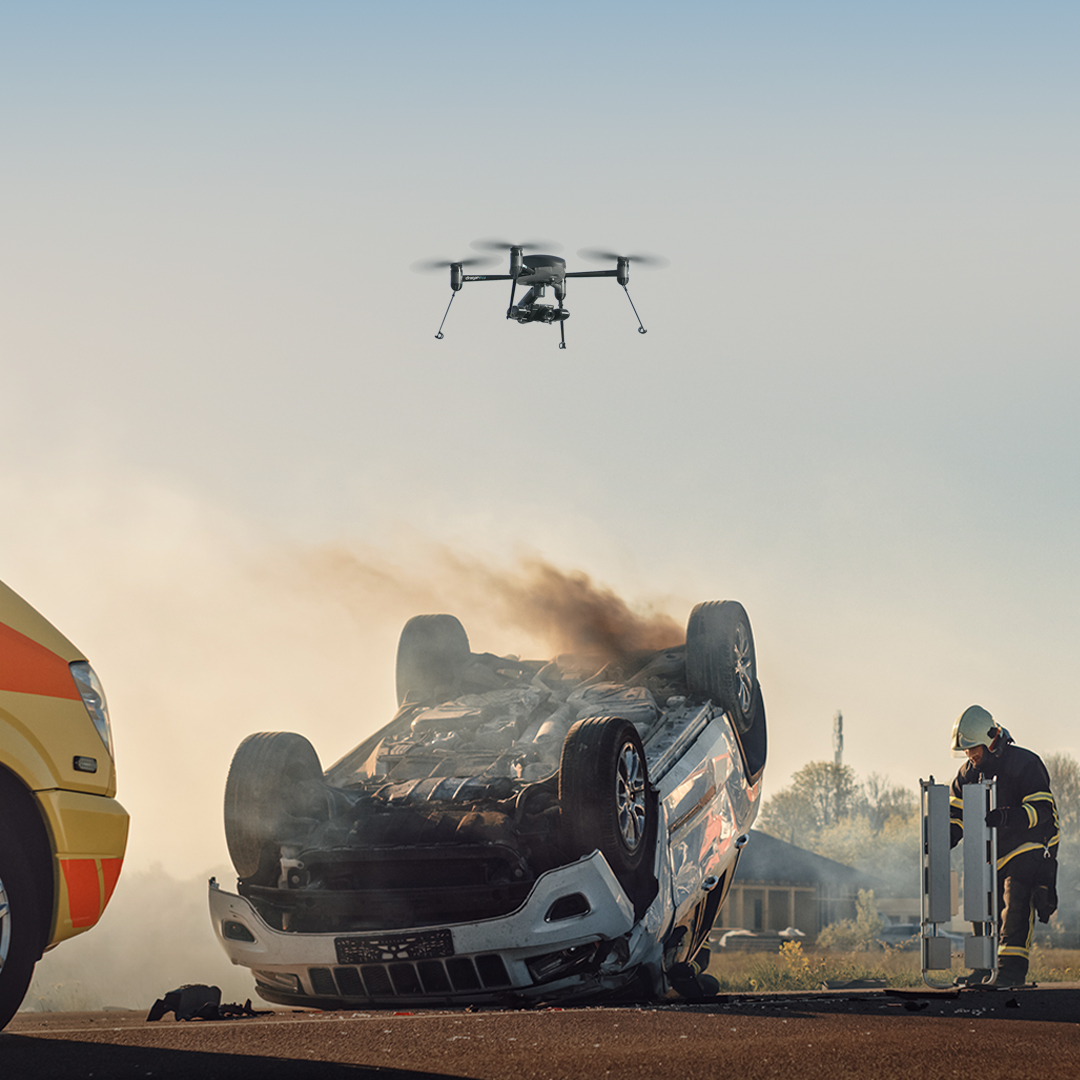
Drones are incredibly useful in aiding accident forensics. Our drones can map areas immediately after an incident to preserve the scene for further analysis. This can provide the Regional Police with vital clues that can aid the apprehension of criminals. By using 3D maps or aerial LIDAR point clouds, forensic units can gain a detailed view of a site and provide an unbiased, visual report to the courts. This unbiased report can strengthen their case and help them preserve the law.